The Most Advanced Laser & Regenerative Treatments Explained

By 2026, non-surgical skin rejuvenation has evolved beyond isolated treatments into integrated, biologically driven protocols. Clinics are no longer judged solely on visible short-term results, but on their ability to deliver progressive tissue regeneration, collagen remodeling, and skin quality restoration with minimal downtime and maximal safety.
At EvoSkin, this evolution is driven by a convergence of advanced laser platforms, energy-based technologies, and regenerative therapies designed to work synergistically—addressing aging at the dermal, subdermal, and cellular levels.
This article outlines the most advanced non-surgical skin rejuvenation strategies defining 2026 and explains why clinics are transitioning toward laser–regenerative combination protocols.
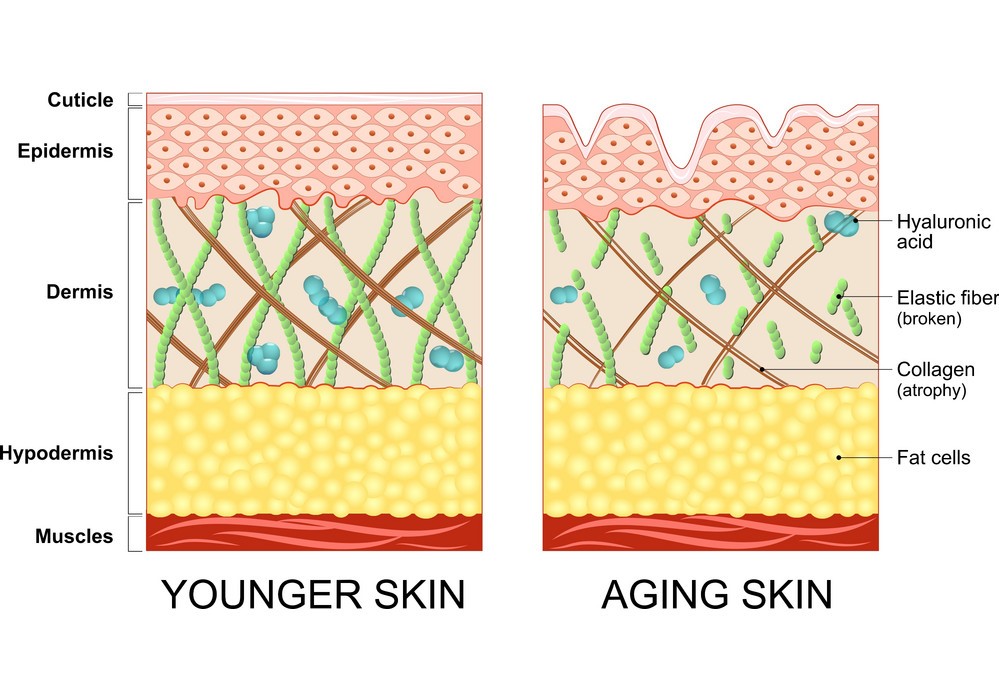
Traditional aesthetic treatments focused on superficial tightening or temporary volumization. Modern rejuvenation strategies now prioritize:
Lasers and regenerative injectables are no longer alternatives—they are biological amplifiers of each other.
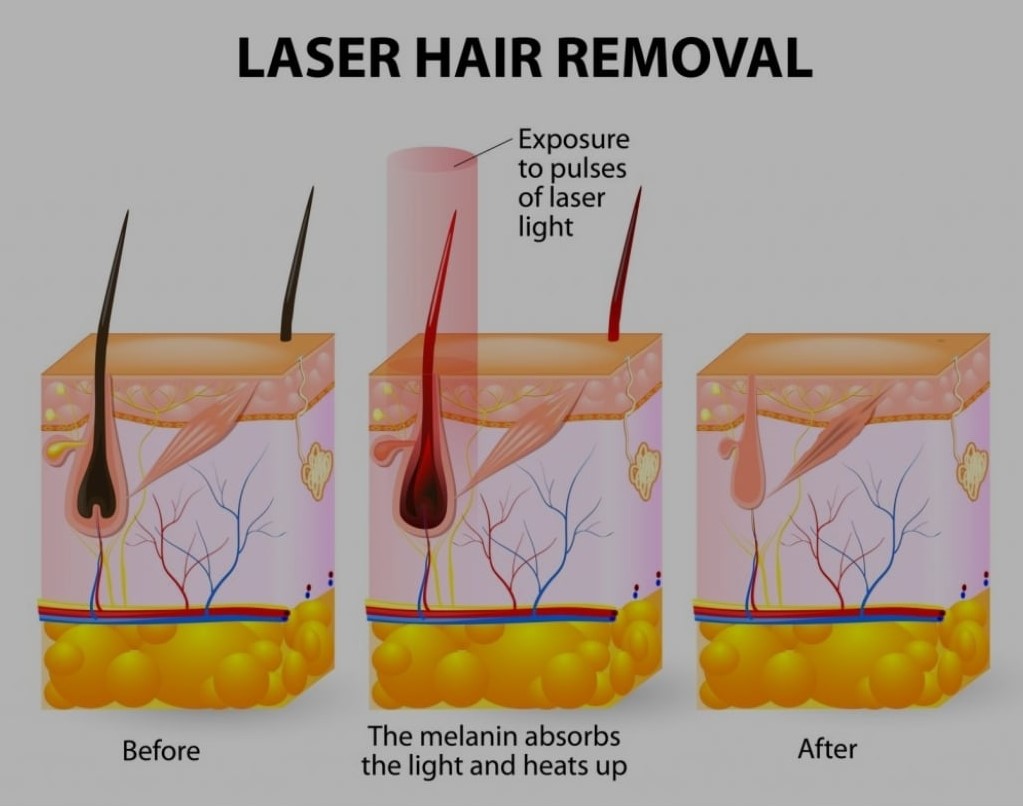
Modern diode laser systems using complementary wavelengths allow selective interaction with different tissue targets:
This dual action enables non-surgical lifting, contouring, and skin tightening of the face, neck, jawline, and body—without incisions or extended recovery.
In 2026, these systems are no longer used as standalone devices but as core structural treatments within regenerative protocols.
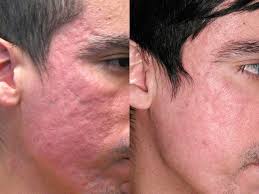
Fractional laser technology remains a cornerstone of skin rejuvenation, particularly when integrated into staged protocols:
The key advancement in 2026 is protocol personalization, adjusting depth, density, and energy based on the patient’s regenerative capacity and combination treatments.
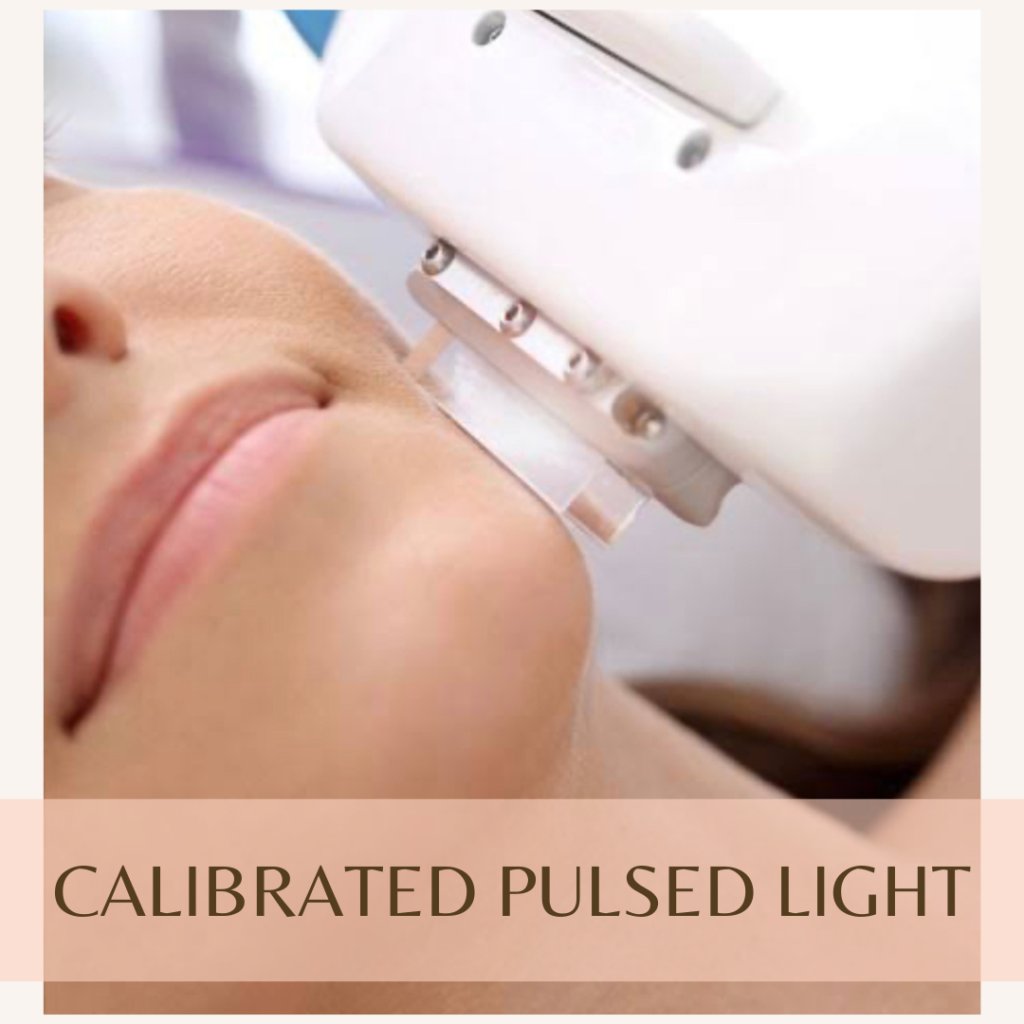
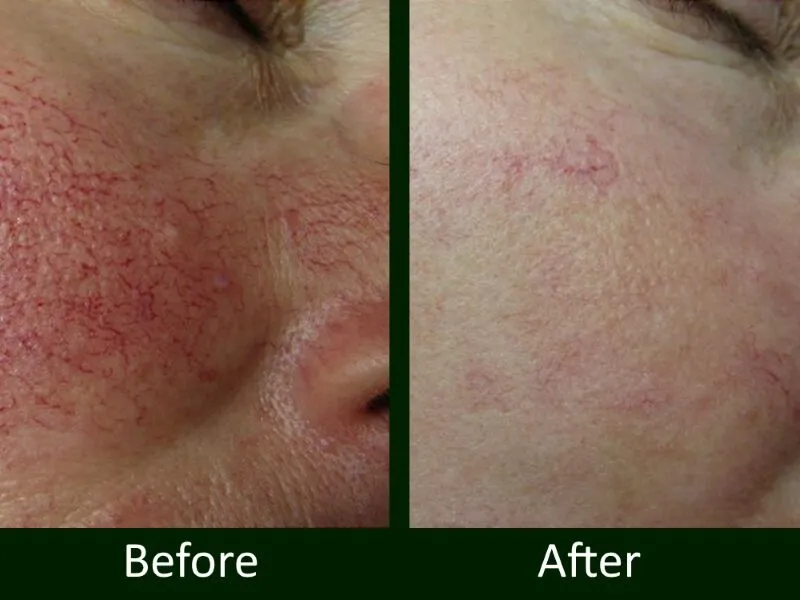
Next-generation CPL systems go beyond classic IPL by offering:
CPL is increasingly used as a maintenance and optimization tool, improving vascular tone, pigmentation, and skin brightness before or after regenerative procedures.
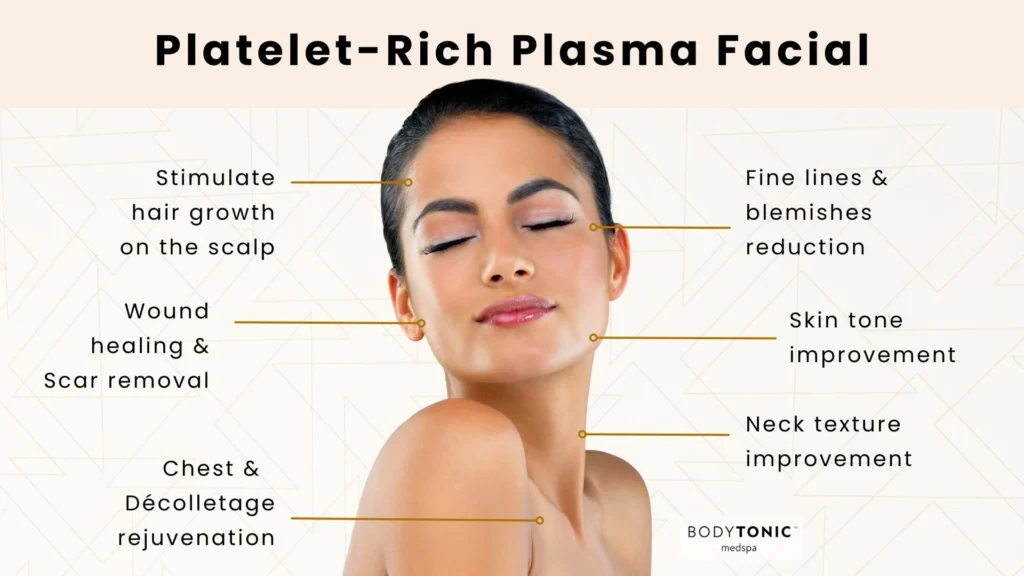

Regenerative medicine has become central to non-surgical rejuvenation. Autologous therapies such as PRP-derived formulations and plasma-based gels provide:
When combined with laser treatments, regenerative therapies significantly enhance clinical outcomes and longevity.
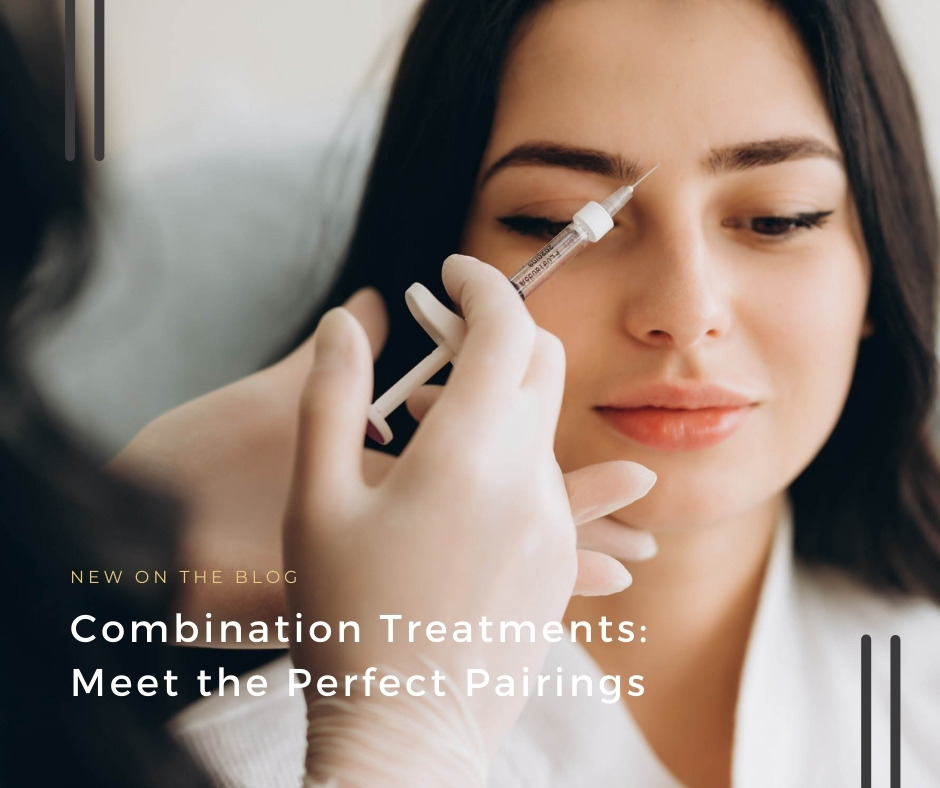
The most successful clinics in 2026 do not sell devices—they sell outcomes.
Typical advanced protocols may include:
This layered approach addresses skin aging as a biological continuum, not a single event.
EvoSkin focuses on clinically driven, provider-centric solutions, emphasizing:
For clinics aiming to remain competitive in 2026, the question is no longer whether to adopt advanced non-surgical rejuvenation—but how comprehensively it is implemented.
Non-surgical skin rejuvenation in 2026 is defined by precision energy delivery, biological amplification, and long-term tissue regeneration. Lasers are no longer just tools—they are biological triggers, especially when paired with regenerative medicine.
Clinics that adopt integrated laser–regenerative strategies will lead the next era of aesthetic medicine—offering patients natural, durable, and scientifically grounded results.