Vascular lesions and leg veins

Advanced laser technologies are used to help improve the appearance of visible veins and vascular lesions, with patient safety and realistic outcomes as the priority.

What is a Vascular Lesion?

Vascular lesions are skin conditions that occur due to changes in blood vessels. As skin ages, blood vessels can weaken and enlarge, making them more visible. Vascular lesions are recognized by their location and the type of vessel involved, and include varicose veins, spider veins (telangiectasia), port wine stains, hemangiomas, and rosacea.

Types of Vascular Lesions

  • Spider veins (telangiectasia) are small, dilated surface blood vessels, typically red, blue, or purple, often resembling a web pattern. They’re usually a cosmetic concern rather than a medical one.
  • Reticular veins are slightly larger (1–3mm), blue-green vessels that often feed into spider veins and can be an early sign of venous changes.
  • Varicose veins are larger, bulging, twisted veins — most often in the lower legs — caused by weakened vein walls and faulty one-way valves. Left untreated, they can become more prominent over time, though many respond well to non-invasive laser treatment.
  • Port wine stains are visible dilated vascular marks, less common, more noticeable on the face.
  • Capillaries and telangiectasias are less severe forms of vascular pathology, often causing only minor cosmetic imperfections.
  • Hemangiomas are benign vascular growths often present at birth, appearing as pinkish-red spots that can change in size over time.
  • Rosacea is a chronic, manageable skin condition primarily affecting the central face, often with flare-ups and visible blood vessels on the cheeks, nose, chin, or forehead.

A new, rapidly changing, painful, or bleeding vascular mark should always be evaluated by a qualified healthcare provider before any aesthetic treatment is considered.

How Does Laser Treatment Compare to Sclerotherapy?

Sclerotherapy — injecting a solution into the vein to close it — is another commonly used option, particularly for smaller or medium-sized veins. Laser treatment is often preferred for finer surface vessels and facial vascular lesions, where needle-based injection is less practical. Many providers use both modalities depending on vein size, location, and patient preference.

Benefits of Laser Treatments for Vascular Lesions

Laser treatments for vascular lesions offer a variety of benefits over other traditional methods of treatment. The key benefits include:

  • Non-invasive: No incisions or sutures are required for most treatments, which can support a more comfortable healing process
  • Generally well-tolerated: Many patients report only mild discomfort during treatment
  • Typically low downtime: Most patients can resume regular activities shortly after treatment, though this varies by case
  • Targeted approach: Designed to treat the vessel while aiming to minimize effect on surrounding tissue
  • Overall, laser treatments for vascular lesions provide an effective, safe, and minimally invasive solution for individuals seeking to eliminate the appearance of these lesions.

Individual results vary depending on the size, type, and location of the vascular lesion, as well as skin type and the number of sessions performed.

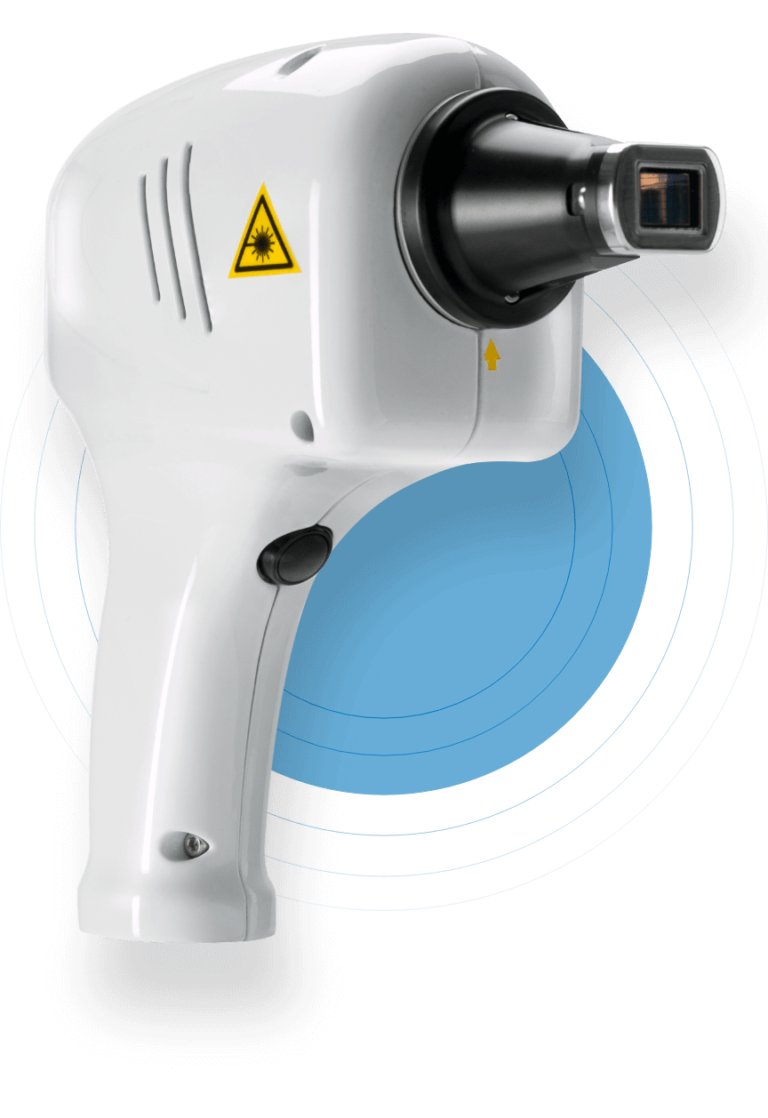
Laser Machines for Vascular Lesions

Frequently Asked Questions

Spider veins are small, surface-level vessels, usually under 1mm, often appearing in a web-like pattern. Varicose veins are larger (generally 3mm or more), bulging, and twisted, typically caused by weakened vein walls and faulty valves. Both can be treated with laser therapy, though larger varicose veins sometimes require additional evaluation.

Laser energy targets the unwanted blood vessel, causing it to constrict and gradually fade, while aiming to leave surrounding skin unaffected.

Many patients see a visible reduction in the appearance of treated veins, though effectiveness depends on vein size, depth, and type. Multiple sessions are often needed for optimal results.

When performed by a trained provider using appropriate device settings for the patient’s skin type and lesion, laser treatment is considered a well-established, non-invasive option. A consultation helps determine candidacy.

Any vascular lesion or vein that is new, rapidly growing, painful, bleeding, or changing in appearance should be evaluated by a healthcare provider before pursuing aesthetic treatment.

Let's Connect

Get in touch with the Evoskin team today to learn more about our products, treatments, and services.

Phone: +1 (786) 778-0419
Email: info@evoskin.com