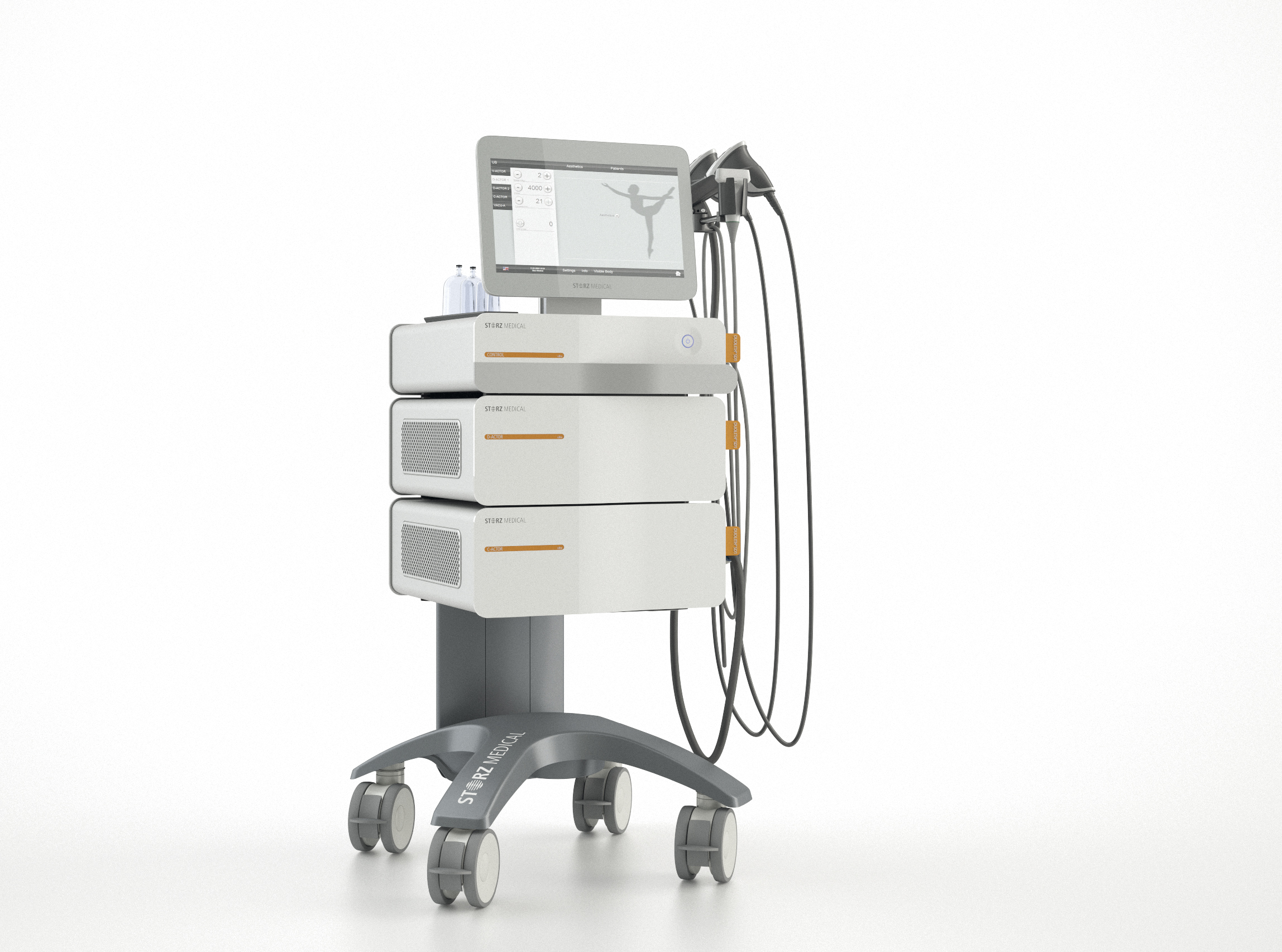


DUOLITH® SD1 T-TOP »ultra«
Sexual Rejuvenation & Regenerative Sexual Medicine — Male & Female Protocols
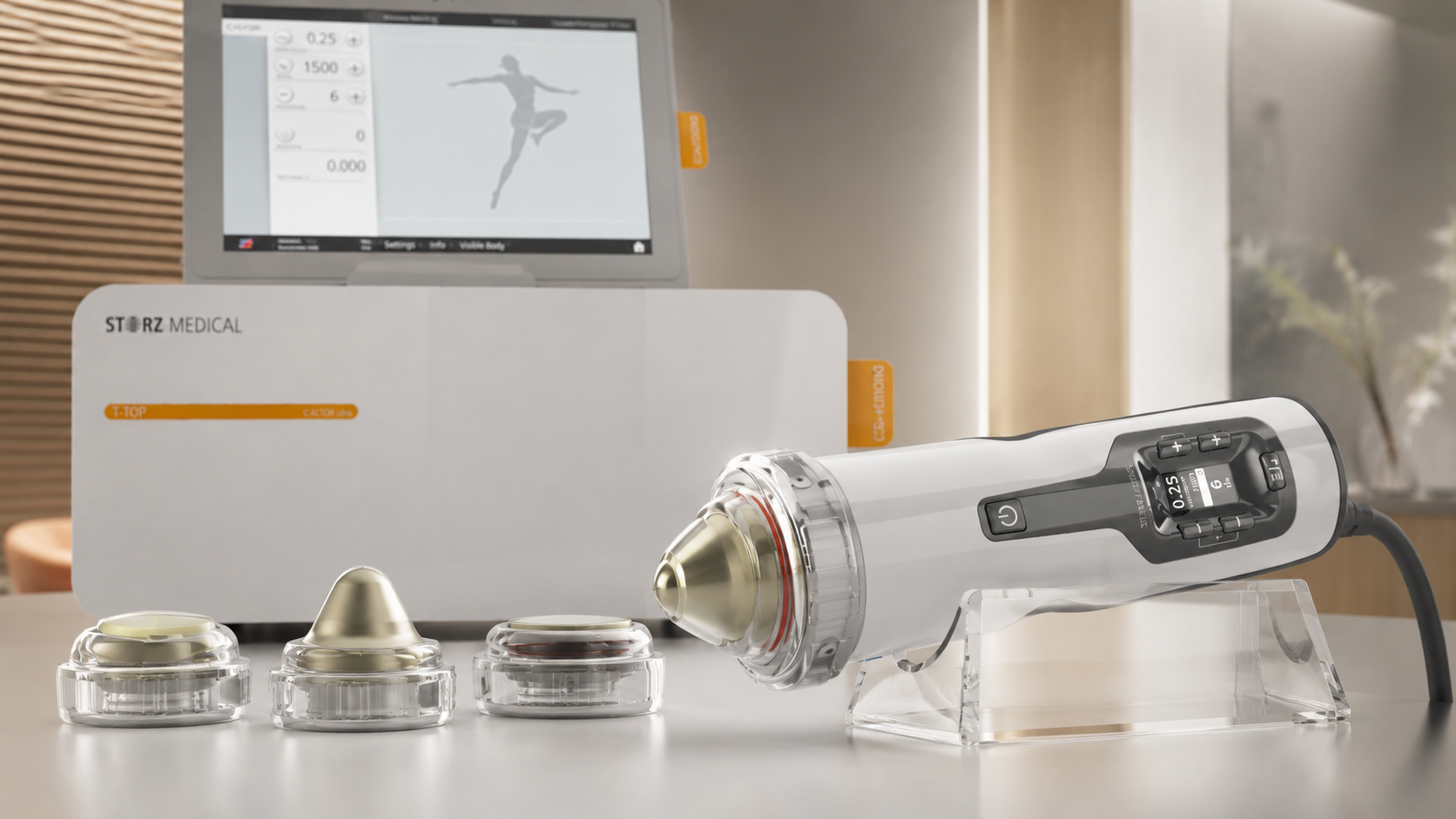
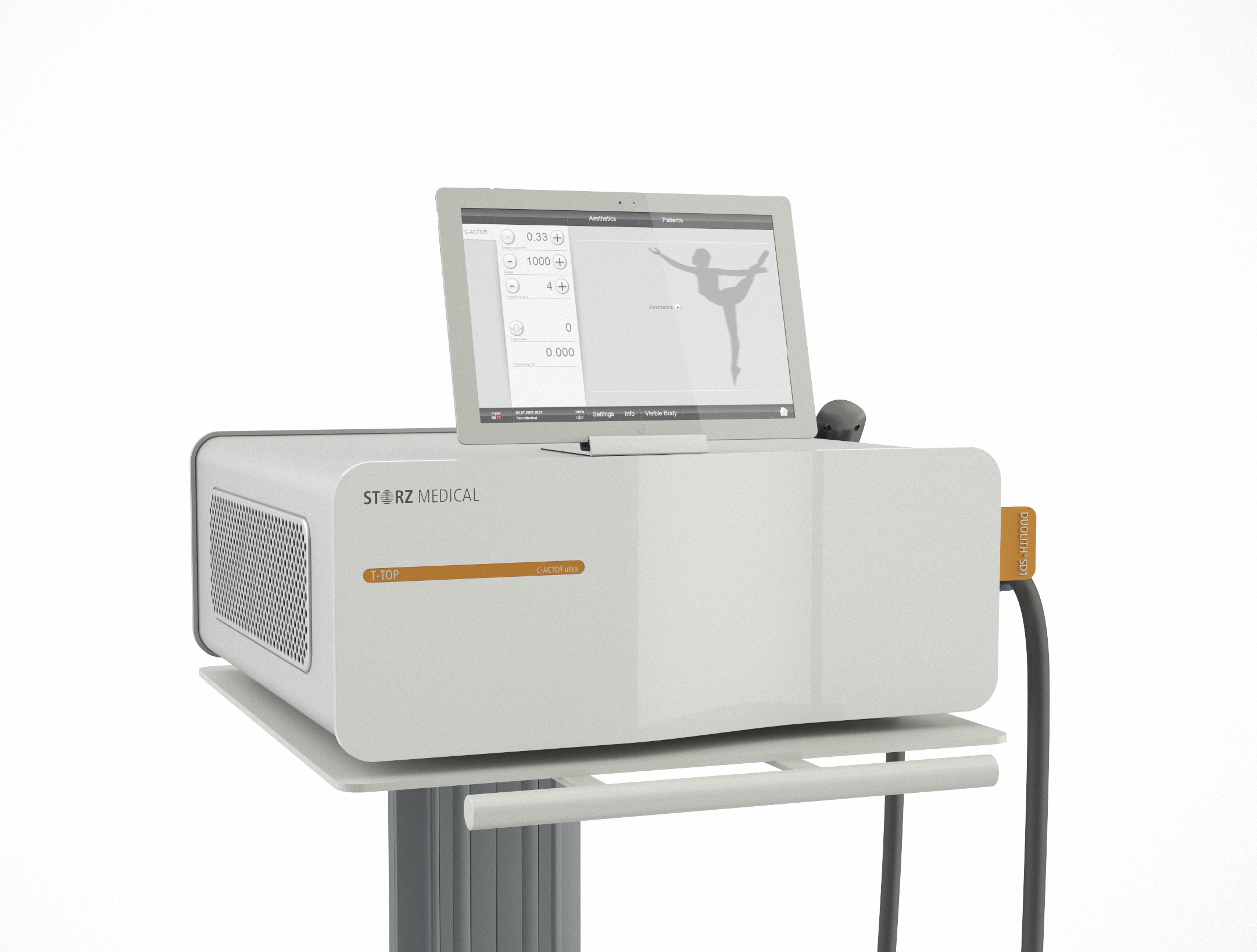
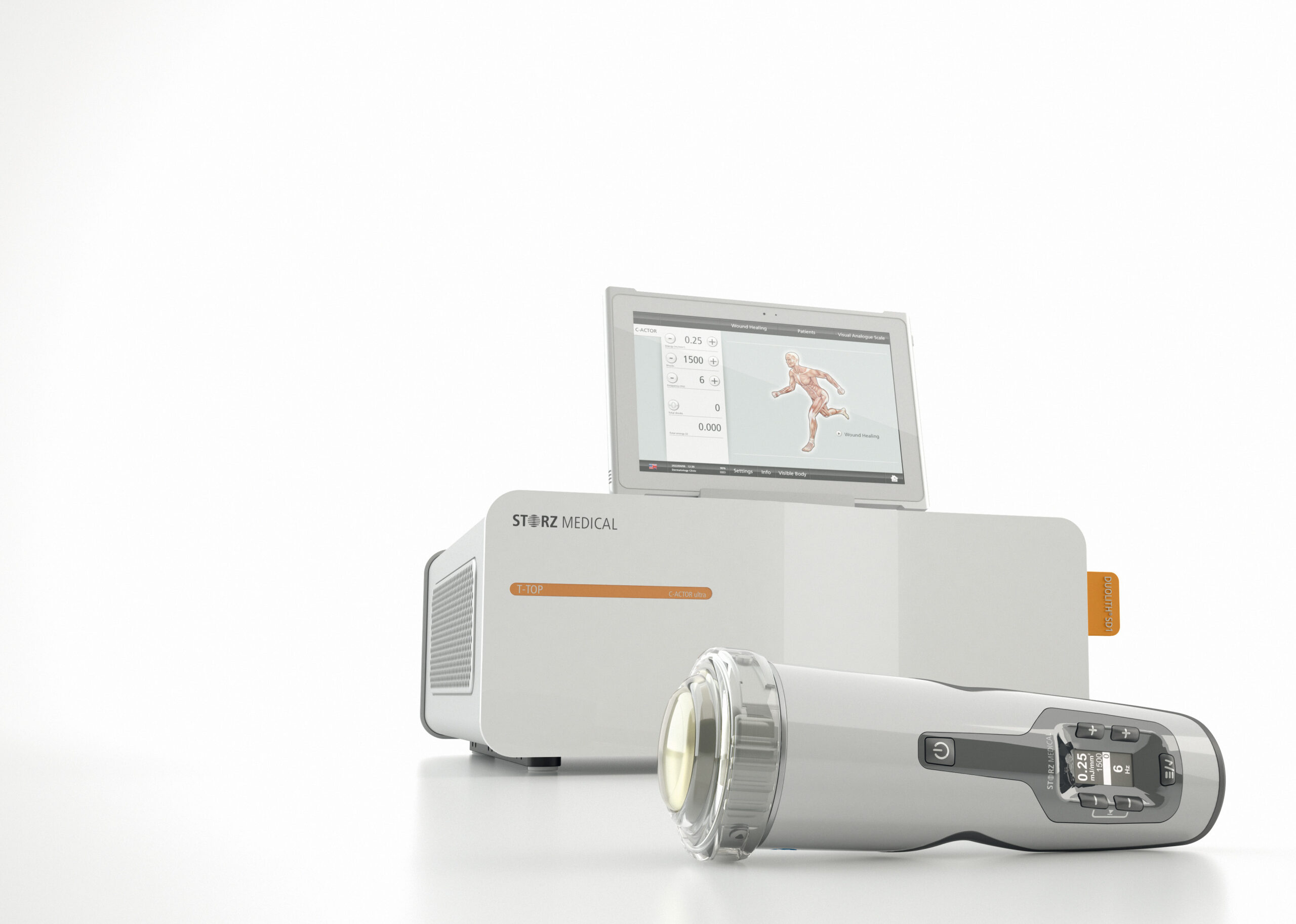
The DUOLITH® SD1 T-TOP »ultra« is Storz Medical's flagship focused electromagnetic shockwave platform — the device on which the majority of the published clinical evidence for low-intensity focused shockwave therapy (Li-ESWT) in sexual medicine has been generated. Non-invasive, evidence-based, and clinically validated for male and female sexual rejuvenation. Available exclusively through Evoskin.
Precision Energy Directed at the Anatomical Source of Dysfunction
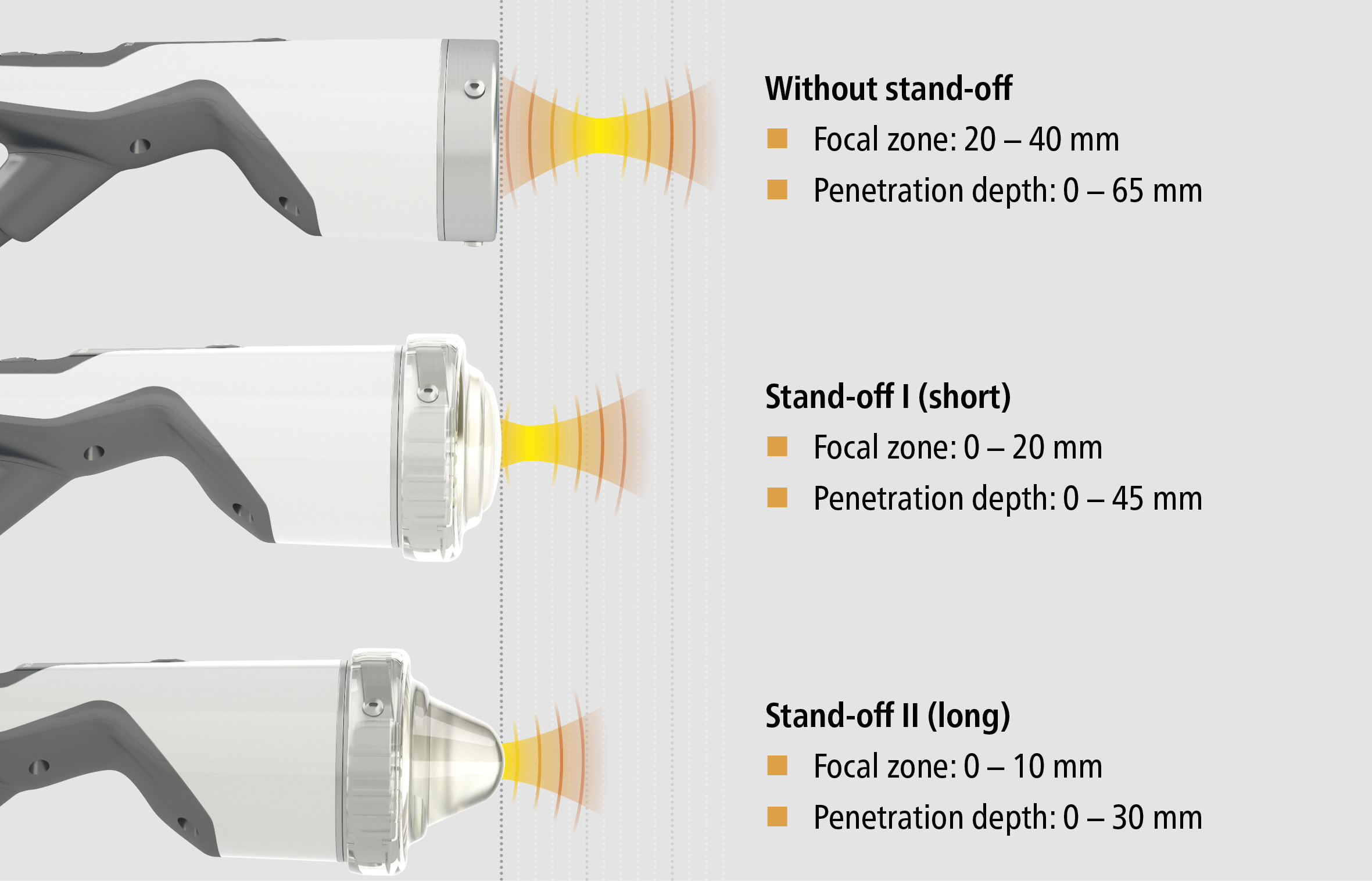
Focused shockwave therapy (ESWT) delivers high-energy acoustic pulses that converge at a defined focal point within tissue, generating targeted mechanical stimulation at precise anatomical depths while leaving surrounding structures undisturbed. The DUOLITH® SD1 T-TOP »ultra« generates these focused electromagnetic shockwaves through the SEPIA® handpiece, with focal zone depth adjustable from 0 to 65 mm and therapeutic penetration reaching up to 125 mm — sufficient to reach cavernous tissue, prostatic and pelvic floor anatomy, and other structures inaccessible to radial devices.
The biological effects are well-characterized: focused shockwaves trigger mechanotransduction cascades that upregulate VEGF and eNOS, induce neoangiogenesis, activate Schwann cell proliferation and axonal remyelination, and modulate nociceptor hyperstimulation. In sexual medicine, these are the precise mechanisms that address the vascular, neurogenic, and fibrotic substrates of sexual dysfunction — at their anatomical source, not just their symptoms.
Low-Intensity Focused ESWT · Male & Female Sexual Health
Regenerative Sexual Medicine. Evidence-Based. Non-Invasive.
The application of low-intensity focused extracorporeal shockwave therapy (Li-ESWT) in sexual medicine represents one of the most compelling intersections of precision biophysics and regenerative biology in contemporary medicine. The DUOLITH® SD1 T-TOP »ultra« is the platform on which the majority of the published clinical evidence in this field has been generated — making it the device of record for practices committed to evidence-based sexual medicine.
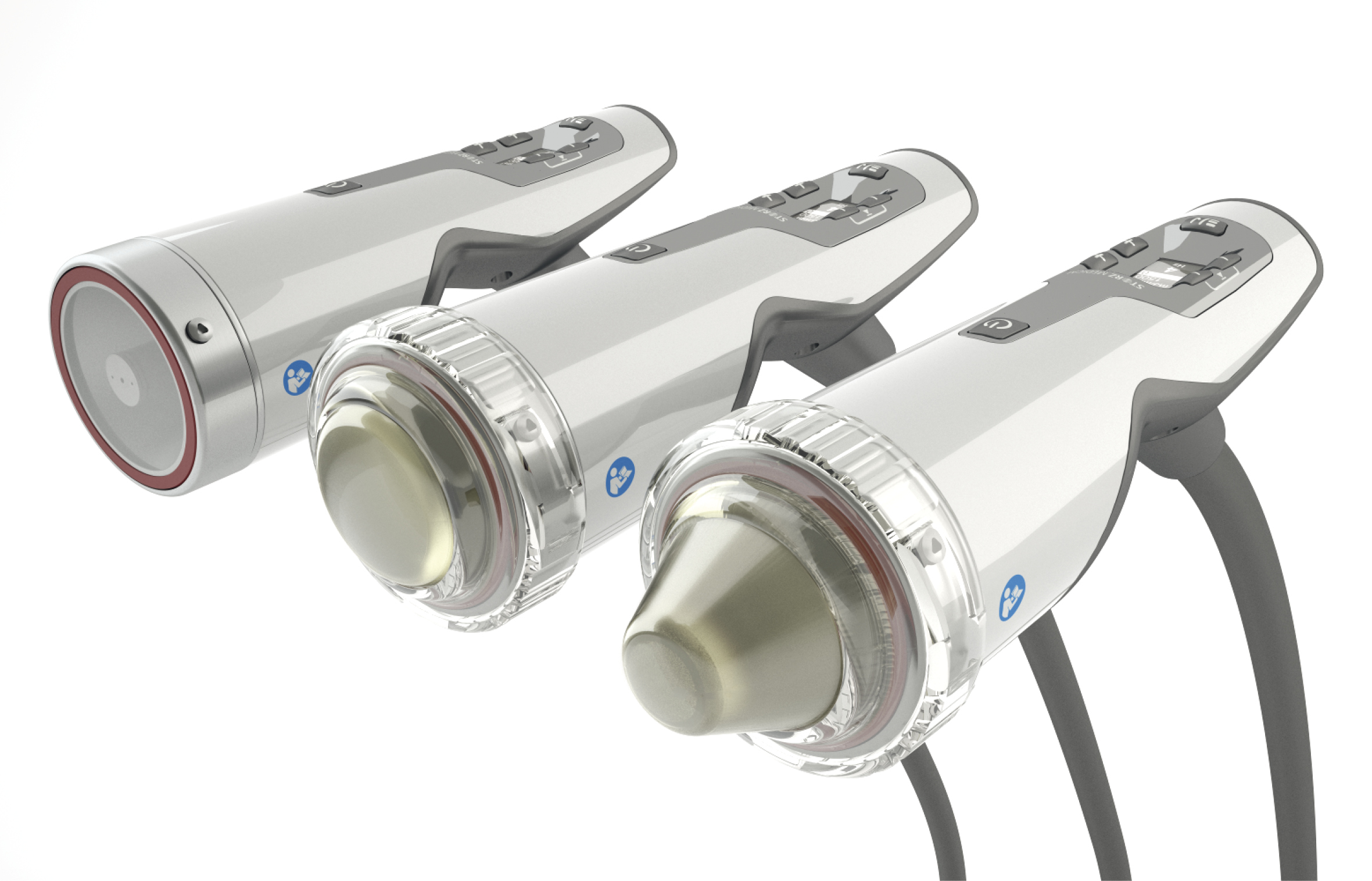
Li-ESWT for sexual medicine operates at lower energy levels than aesthetic protocols, targeting the vascular, neurogenic, and fibrotic components of sexual dysfunction at their anatomical source. The SEPIA® handpiece's anatomically designed stand-off system allows precise, comfortable adaptation to the relevant pelvic and genital anatomy — a design feature that is clinically significant for both treatment reproducibility and patient compliance.
Regenerative Protocols for Vascular, Fibrotic & Pelvic Dysfunction
Erectile Dysfunction (ED)
Erectile dysfunction of vascular origin is the result of impaired arterial inflow and endothelial dysfunction in the penile microvasculature — the same pathological substrate addressed by Li-ESWT. Focused shockwaves applied to the corpus cavernosum and crura penis stimulate neoangiogenesis, restore endothelial function through eNOS upregulation, and activate Schwann cell proliferation in cases with neurogenic components.
The mechanism is not analgesic or symptomatic. Li-ESWT regenerates the vascular architecture of the penis — addressing the structural cause of ED rather than circumventing it. The clinical implications are significant: responders achieve functional erections without pharmacological support, and a meaningful subset of patients experience durable improvement beyond the active treatment course.
A systematic review of 14 studies (N=833) concluded that Li-ESWT “may have the potential to become the first-line non-invasive treatment for ED patients” (Lu et al., European Urology, 2016). A prospective RCT (Olsen et al., 2014) demonstrated that 57% of men treated with Li-ESWT achieved satisfactory erections without medication after therapy. An Australian open-label study (Chung, BJU International, 2015) reported IIEF-5 improvement ≥5 points in 60% of patients; 67% reported satisfaction level 4/5; 80% would recommend the treatment to others.
Induratio Penis Plastica / Peyronie's Disease (IPP)
Peyronie's disease is an acquired fibrotic disorder of the tunica albuginea characterized by plaque formation, penile curvature, and pain during erection. It disproportionately impacts quality of life, sexual function, and psychological well-being, and is significantly underdiagnosed and undertreated in aesthetic and integrative medicine settings.
Focused shockwaves applied to the penile plaque activate fibroblast remodeling, promote fibrinolytic activity, and induce apoptosis of pathological myofibroblasts — the cellular mediators of plaque formation. Published data demonstrate measurable reduction in plaque volume, improvement in curvature angle, elimination of erection pain, and improved erectile function across a structured 5–8 week protocol.
A prospective, randomized, double-blind, placebo-controlled study (Palmieri et al., European Urology, 2009; N=100) demonstrated that ESWT eliminates pain and significantly improves erectile function and quality of life at 12 and 24 weeks. A pilot study (Michel et al., Journal of Endourology, 2003) reported that erection pain disappeared in 15/17 patients after a 5-week protocol; 15 patients were able to achieve satisfactory intercourse post-treatment (vs. 6 pre-treatment). A 2017 systematic review (Fojecki et al., World Journal of Urology) confirmed ESWT eliminates pain in IPP patients.
Chronic Pelvic Pain Syndrome (CPPS)
Chronic pelvic pain syndrome in men — also classified as chronic abacterial prostatitis (Category IIIB) — is characterized by persistent perineal and pelvic pain, voiding symptoms, and sexual dysfunction. It affects predominantly men between 35 and 45 years and remains one of the most challenging conditions to manage pharmacologically, with significant impact on quality of life and sexual function.
Li-ESWT applied perineal to the prostate and pelvic floor targets the inflammatory and neurogenic components of CPPS through two complementary mechanisms: hyperstimulation of pain receptors, blocking afferent pain transmission; and modulation of central pain sensitization. The non-invasive protocol is repeatable, has no documented side effects, and demonstrates clinical durability across multiple follow-up assessments.
A randomized, double-blind, placebo-controlled study (Zimmermann et al., European Urology, 2009) demonstrated statistically highly significant improvement in pain, quality of life, and urinary conditions in the ESWT group versus placebo. Results of a further RCT (Vahdatpour et al., ISRN Urology, 2013) and a 2016 systematic review (Fojecki et al., World Journal of Urology) confirmed ESWT as a safe and effective short-term treatment for CPPS.
Non-Invasive Pathways for Chronic Vulvar & Sexual Pain
Vulvodynia
Vulvodynia is defined as chronic vulvar pain or discomfort without identifiable cause. It is more common than clinical awareness reflects, significantly impacts sexual function and quality of life, and is notoriously resistant to pharmacological management. The DUOLITH® SD1 T-TOP »ultra« offers a non-pharmacological, repeatable, evidence-based treatment approach backed by prospective randomized controlled data.
Focused ESWT applied to the vulva and perineum blocks nociceptive afferent transmission through hyperstimulation analgesia and modulates central sensitization at the level of the spinal dorsal horn. The clinical result is a durable reduction in pain perception — not temporary masking, but neurological recalibration that persists through post-treatment follow-up.
A prospective, randomized, double-blind, placebo-controlled study (Hurt et al., European Journal of Physical and Rehabilitation Medicine, 2020; N=61) demonstrated pain reduction >30% in the treatment group using VAS, with large effect size (VAS: 0.883). Pain reduction was sustained at all follow-up assessments (1, 4, and 12 weeks post-treatment). No significant differences observed in the placebo group.
Dyspareunia
Dyspareunia — pain during or after sexual intercourse — is a distressing and prevalent condition with multiple etiologies including provoked vestibulodynia, vulvar atrophy, and pelvic floor hypertonicity. It significantly impairs sexual health, relational wellbeing, and quality of life, and is frequently undertreated due to limited non-invasive options in clinical practice.
Focused ESWT applied to the perineum and vulvar vestibule targets the peripheral nociceptive and neurogenic mechanisms underlying dyspareunia, modulating C-fiber and Aδ-fiber afferent pain signaling and reducing local inflammatory mediator activity. The same research group that validated ESWT for vulvodynia extended their protocol to dyspareunia with equivalent results.
A prospective, randomized, double-blind, placebo-controlled study (Hurt et al., Annals of Physical and Rehabilitation Medicine, 2021; N=61) reported pain reduction >30% in the ESWT group using both VAS and Marinoff Dyspareunia Scale. Marinoff Scale effect size: 0.825. Results were sustained across all follow-up time points (1, 4, and 12 weeks post-treatment).
Structured Male & Female Treatment Pathways
ED / IPP / CPPS
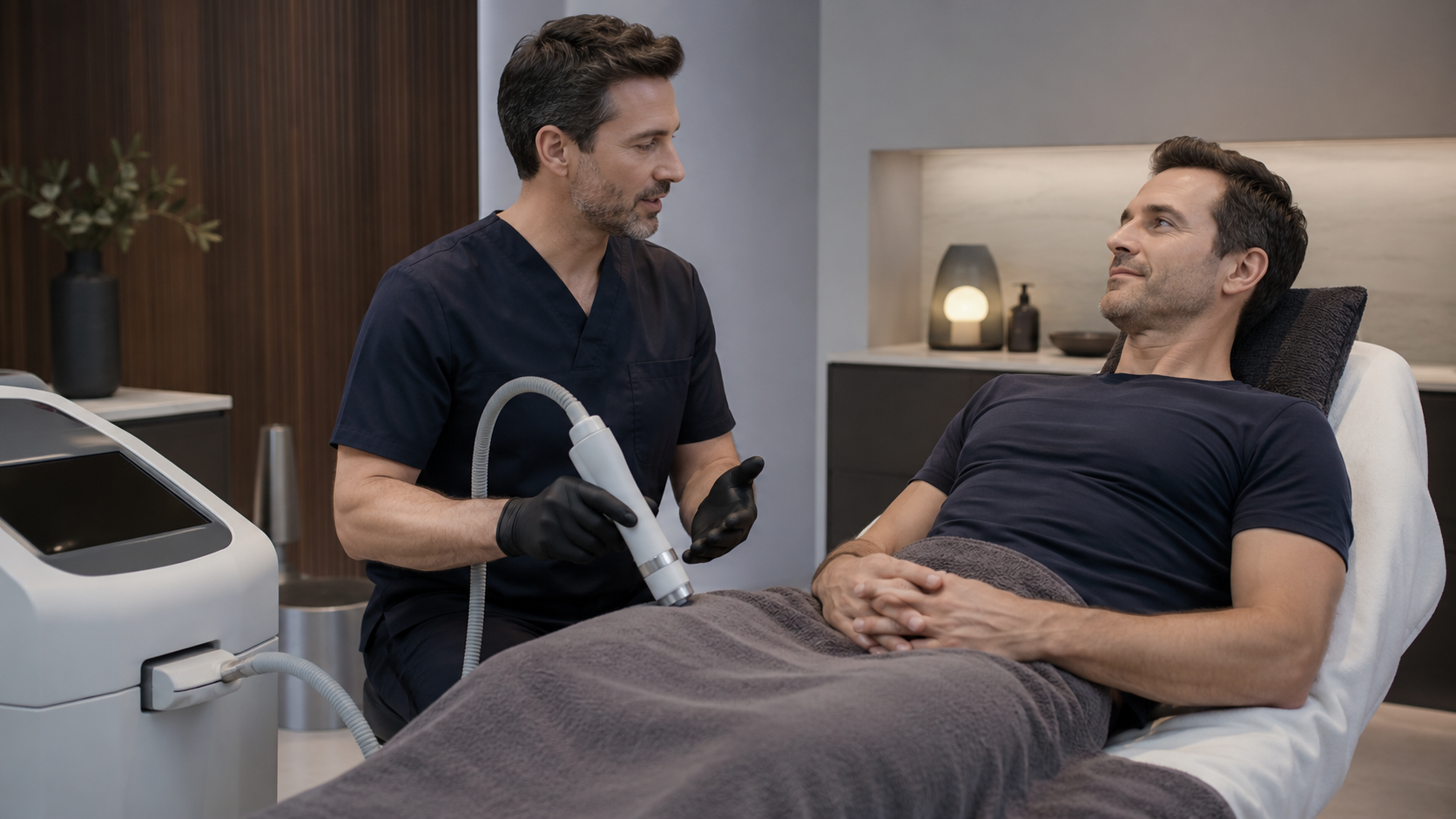
6–12 sessions of 15–20 minutes, weekly. SEPIA® handpiece with anatomically shaped stand-off applied to corpus cavernosum, crura, and perineum. Can be combined with PRP, hormone optimization, and lifestyle protocols.
Vulvodynia / Dyspareunia
4–6 weekly sessions of ~15 minutes. SEPIA® handpiece applied to vulvar and perineal regions. Non-invasive, no sedation required, no downtime. Can be combined with PRP, topical, and pelvic floor protocols.
Combination with PRP / Biologic Therapies
Focused ESWT and platelet-rich plasma (PRP) share complementary mechanisms and produce synergistic outcomes when combined. ESWT increases tissue vascularity and cell membrane permeability before PRP application, significantly enhancing platelet activation, growth factor distribution, and biological uptake at the treatment site. For practices offering ENDORET® PRP through Evoskin, the DUOLITH® SD1 T-TOP »ultra« creates the optimal tissue environment for PRP delivery in sexual medicine protocols.
The combination of focused ESWT + PRP is increasingly considered the standard of care in regenerative sexual medicine protocols for ED.
Storz Medical · Focused Electromagnetic Shockwave Handpiece
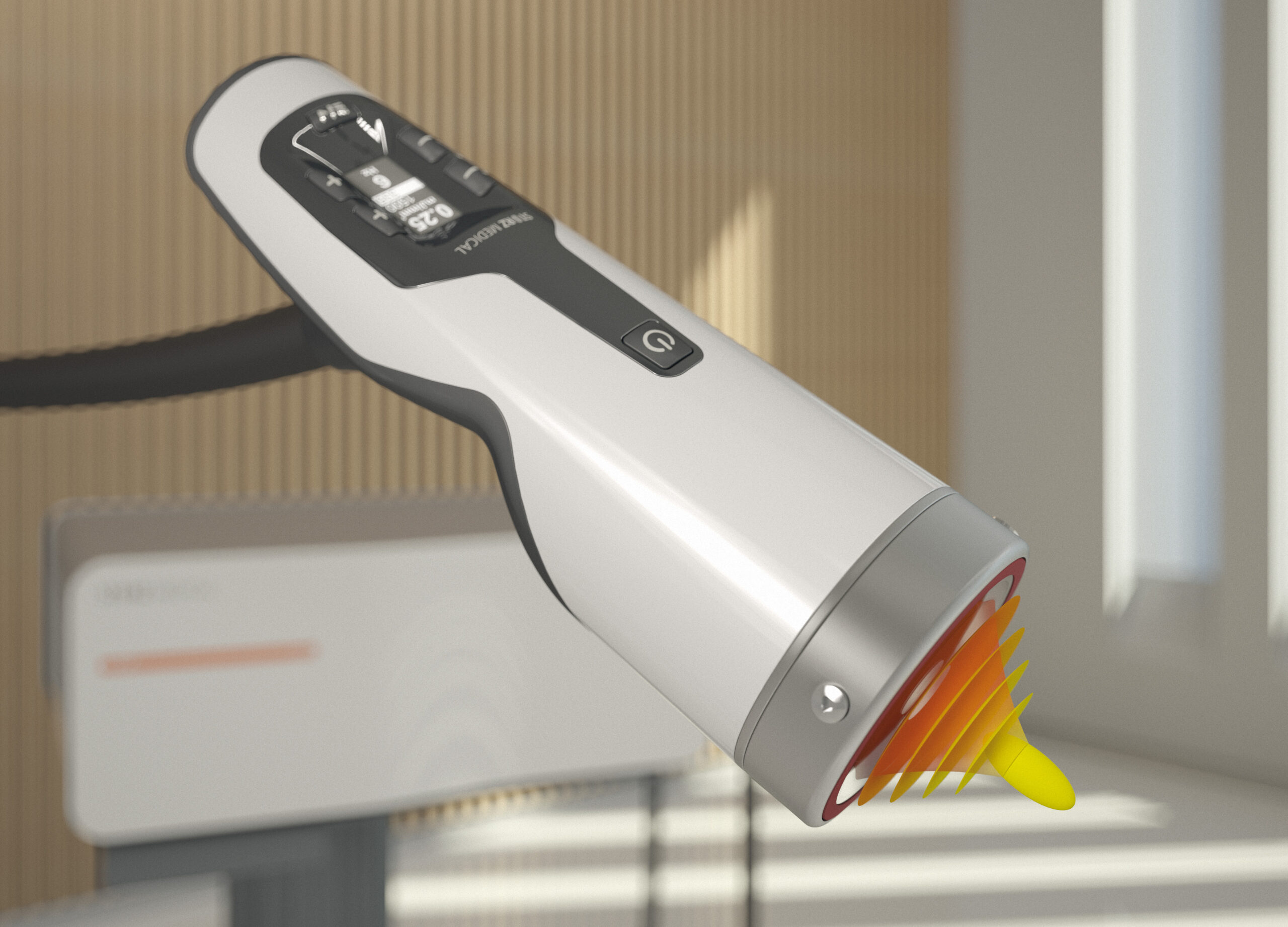
The SEPIA® handpiece is the clinical core of the DUOLITH® SD1 T-TOP »ultra« platform. For sexual medicine (URO) applications, it is fitted with an anatomically shaped stand-off designed for precise, comfortable adaptation to pelvic and genital anatomy — a design feature that is clinically significant for both treatment reproducibility and patient compliance. Frequency, energy level, and pulse count are adjustable directly on the handpiece, keeping the clinician's attention at the patient rather than a console.
| Parameter | Specification |
|---|---|
| Wave type | Focused electromagnetic shockwave |
| Focal zone depth | 0 – 65 mm (mechanically adjustable via stand-off accessories) |
| Therapeutic penetration | Up to 125 mm |
| Energy range | 0 – 0.55 mJ/mm² (sexual medicine protocols run at the lower end of this range) |
| Controls | Fully integrated into handpiece display (frequency, energy, pulse count) |
| Stand-off system | Anatomically shaped stand-off for sexual medicine (URO) applications |
| Compatibility | Compatible with all DUOLITH® SD1 »ultra« system configurations |
| Optional 10" touchscreen | USB-connected tablet with patient management, protocol library with videos + images, Visible Body® digital anatomy atlas |
The Published Evidence Base for Sexual Medicine
The following is a condensed reference for the most clinically relevant published work in sexual medicine covered in this document.
| Indication | Key Evidence |
|---|---|
| Erectile Dysfunction (ED) | Multiple systematic reviews and meta-analyses confirm efficacy. Li-ESWT named potential “first-line non-invasive treatment” (Lu et al., Eur Urol, 2016). 57% of patients achieved erection without medication (Olsen et al., 2014). IIEF-5 improvement ≥5 points in 60% of patients (Chung, BJU Int, 2015). |
| Peyronie's Disease (IPP) | Prospective RCT: significant improvement in VAS pain, IIEF-5, and QoL at 12 and 24 weeks (Palmieri et al., Eur Urol, 2009). Pain resolved in 15/17 patients; 15/24 achieved satisfactory intercourse post-treatment (Michel et al., 2003). 2017 systematic review confirms pain elimination (Fojecki et al.). |
| CPPS — Male | Randomized, double-blind, placebo-controlled study: highly significant improvement in pain, QoL, and urinary conditions (Zimmermann et al., Eur Urol, 2009). Confirmed by Vahdatpour et al. (ISRN Urology, 2013) and a 2016 systematic review (Fojecki et al.). |
| Vulvodynia | Prospective RCT: VAS pain reduction >30%, large effect size (0.883). Sustained at 1, 4, and 12 weeks post-treatment (Hurt et al., EJPRM, 2020; N=61). |
| Dyspareunia | Prospective RCT: Marinoff Scale reduction >30%, effect size 0.825. Sustained at all follow-up time points (Hurt et al., Annals of Physical and Rehabilitation Medicine, 2021; N=61). |
The Device of Record in Evidence-Based Sexual Medicine
Add Regenerative Sexual Medicine to Your Practice.
Contact Evoskin to schedule a DUOLITH® SD1 T-TOP »ultra« demonstration, discuss financing, or enroll in Evoskin Academy's regenerative sexual medicine training program.