Why Skin of Color Needs Advanced Laser Technology: How EvoSkin Ensures Safe Results in 2026
Aesthetic medicine in 2026 is more inclusive, more precise, and more biologically informed than ever before. Yet one critical truth remains often underestimated:
Skin of color requires advanced laser technology, expert protocol design, and a deep understanding of skin biology to achieve safe and effective results.
At EvoSkin, treating skin of color is not an afterthought—it is a core part of our clinical philosophy. This article explains why darker skin tones demand a higher level of laser expertise, which technologies truly work, and how EvoSkin ensures safety, efficacy, and long-term skin health in 2026.
Aesthetic medicine in 2026 is more inclusive, more precise, and more biologically informed than ever before. Yet one critical truth remains often underestimated:
Skin of color requires advanced laser technology, expert protocol design, and a deep understanding of skin biology to achieve safe and effective results.
At EvoSkin, treating skin of color is not an afterthought—it is a core part of our clinical philosophy. This article explains why darker skin tones demand a higher level of laser expertise, which technologies truly work, and how EvoSkin ensures safety, efficacy, and long-term skin health in 2026.
Why Skin of Color Is Different—Clinically, Not Cosmetically
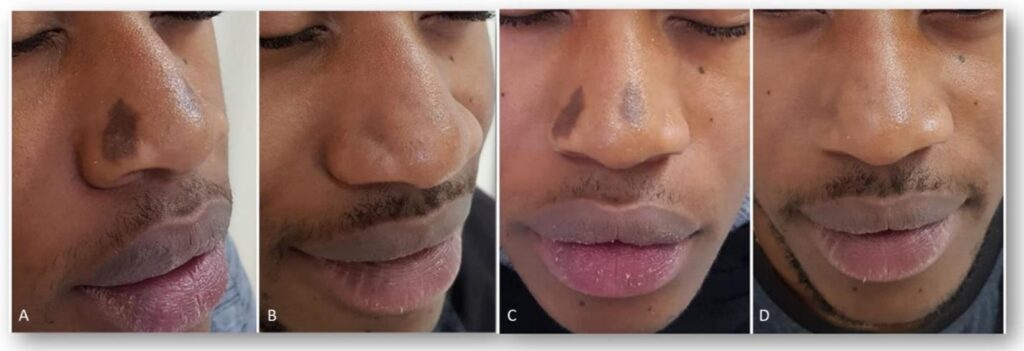
Skin color is defined by higher melanin content, not thicker or “stronger” skin. Melanin plays a protective role—but it also absorbs light energy, which fundamentally changes how lasers interact with the skin.
Key characteristics include:
Increased melanin absorption of laser energy
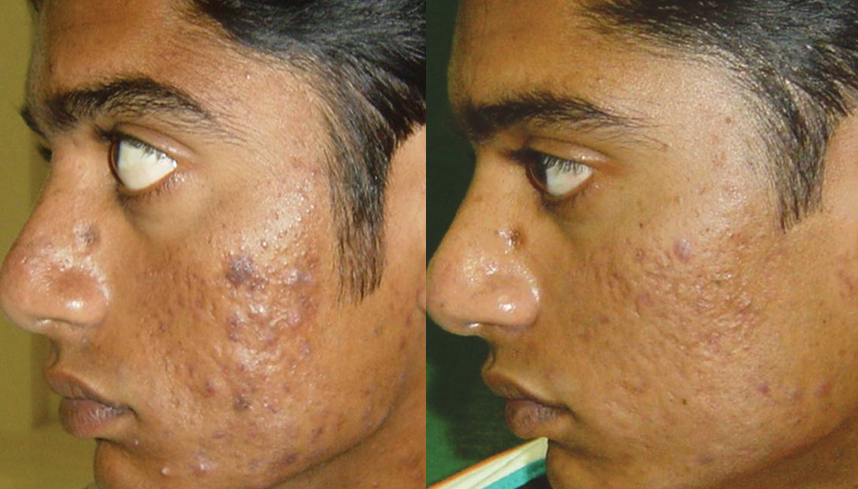
Higher risk of post-inflammatory hyperpigmentation (PIH)
Greater susceptibility to thermal injury if the parameters are incorrect
Slower recovery if inflammation is excessive
This is why outdated or poorly calibrated laser treatments can lead to burns, pigmentary changes, or scarring in darker skin tones.
👉 The solution is not avoiding lasers—but using the right ones, the right way.
Why Old Laser Approaches Failed Skin of Color
Historically, many laser complications in skin of color resulted from:
Short wavelengths with high epidermal absorption
Aggressive fluence and pulse stacking
Surface-focused technologies without thermal control
Lack of regenerative support post-treatment
In 2026, these approaches are obsolete.
Modern laser treatments for skin of color are built on:
Deeper-penetrating wavelengths
Controlled, fractional energy delivery
Thermal safety and epidermal preservation
Regenerative protocols to optimize healing
The Gold-Standard Lasers for Skin of Color in 2026
Nd: YAG Laser (1064 nm): The Safety Backbone
The Nd: YAG 1064 nm laser remains the cornerstone for treating skin of color due to its:
Low melanin absorption
Deep dermal penetration
Reduced risk of epidermal injury
It is particularly effective for:
Skin tightening
Texture improvement
Vascular modulation
Diffuse laxity in darker skin tones
When properly used, Nd: YAG offers excellent efficacy with a high safety margin.
Er: YAG Laser (2940 nm): Precision with Control
Modern Er: YAG fractional protocols have evolved significantly.
In skin of color, Er: YAG is used:
Fractionally, not aggressively
With controlled depth and density
Focused on dermal remodeling, not full resurfacing
When used correctly, Er: YAG improves:
Skin texture
Fine laxity
Dermal thickness
—with minimal pigmentary risk.
Endo One® Laser: Deep Tightening with Epidermal Respect
The Endo One® dual-wavelength diode laser represents a major advancement for skin of color in 2026.
Unlike surface-dependent technologies, Endo One®:
Delivers controlled thermal energy to the deep dermis and fibroepithelial network
Minimizes epidermal interaction
Reduces the risk of pigmentary complications
This makes it ideal for:
Jawline and lower-face tightening
Neck and submental laxity
Patients seeking tightening without resurfacing or downtime
For skin of color, deep energy with epidermal preservation is key—and this is where Endo One® excels.
Why Regeneration Is Essential for Skin of Color
Laser energy creates the stimulus—but regeneration controls inflammation, healing, and pigment stability.
This is why EvoSkin integrates Endoret PRGF® liquid and gel into advanced protocols for skin of color.
Benefits of Endoret® PRGF
Reduces post-laser inflammation
Supports melanocyte stability
Accelerates healing
Enhances collagen remodeling
Lowers risk of PIH
PRGF liquid improves cellular signaling and healing, while
PRGF gel provides structural and regenerative support—particularly valuable after energy-based treatments.
Why Combination Protocols Are Safer Than Single Treatments
In skin of color, single-modality aggressive treatments increase risk.
EvoSkin protocols combine:
Nd:YAG, Er:YAG, or Endo One® lasers
Regenerative biologics
Personalized parameters based on Fitzpatrick type, history, and skin response
This approach results in:
Safer treatments
Better collagen quality
More predictable outcomes
Higher patient confidence
The EvoSkin Safety Framework for Skin of Color
At EvoSkin, safety is engineered—not assumed.
Our approach includes:
Fitzpatrick-based laser selection
Conservative, staged energy delivery
Regenerative support before and after treatment
Long-term skin preservation strategies
We treat biology first, technology second.
Bottom Line
In 2026, skin of color does not need fewer laser treatments—it needs better ones.
With advanced technologies like Nd:YAG, Er:YAG, and Endo One®, combined with regenerative support such as Endoret® PRGF liquid and gel, laser treatments can be both safe and highly effective for darker skin tones.
At EvoSkin, our mission is clear:
deliver results without compromise—across every skin tone.
📍 Discover more expert-led, regenerative aesthetic insights at EvoSkin.com
About the AuthorEnrico Guarino, M.D.
Dr. Enrico Guarino is a highly accomplished surgeon and educator with over 25 years of experience in general surgery, plastic surgery, and regenerative aesthetic medicine. As the founder of Guarino Academy and inventor of multiple patented techniques (Lypogold, Dynamite, Plasma Gel 3D), Dr. Guarino brings unparalleled knowledge and artistry to each treatment.