Your Patient’s First Laser Treatment in 2026: A Provider’s Guide to Safe, Scalable Skin Rejuvenation
In 2026, first-time laser patients represent one of the fastest-growing segments in aesthetic medicine. They are educated, cautious, and outcome-driven—and they actively choose clinics that offer advanced technology, clear protocols, and visible safety standards.
For providers, this presents a major opportunity.
At EvoSkin, we design laser platforms and regenerative protocols specifically to help clinics:
In 2026, first-time laser patients represent one of the fastest-growing segments in aesthetic medicine. They are educated, cautious, and outcome-driven—and they actively choose clinics that offer advanced technology, clear protocols, and visible safety standards.
For providers, this presents a major opportunity.
At EvoSkin, we design laser platforms and regenerative protocols specifically to help clinics:
Safely treat first-time patients
Deliver predictable, natural results
Build long-term patient loyalty
Scale device utilization across multiple indications
This guide reframes the patient’s first laser treatment from a clinical risk into a strategic entry point for practice growth.
Why First-Time Laser Patients Matter for Your Practice
First-time laser patients:
Are highly risk-averse
Often convert into long-term aesthetic clients
Respond strongly to education and trust
Are ideal candidates for low-downtime, regenerative protocols
Clinics that can safely guide patients through their first laser experience tend to:
Increase treatment acceptance
Reduce complications and refunds
Improve retention and lifetime value
The key is having the right technology and protocols in place.
What First-Time Patients Actually Need (Clinically)
From a provider perspective, beginners require:
Conservative energy delivery
High epidermal safety margins
Predictable healing
Technologies adaptable across skin types
The option to combine with regenerative support
This is exactly where multi-platform laser systems and regenerative integration outperform single-purpose devices.
Core Laser Technologies Every Modern Clinic Needs in 2026
Er:YAG (2940 nm): Controlled Entry into Laser Rejuvenation
For first-time patients, fractional Er:YAG is one of the safest ways to introduce laser resurfacing.
From a provider standpoint, it offers:
Precision depth control
Fractional protocols with minimal downtime
High patient satisfaction for texture and glow
Easy protocol standardization for staff
Er:YAG is ideal for:
First-time resurfacing
Texture-focused rejuvenation
Building patient confidence early
Nd:YAG (1064 nm): The Safety Backbone for All Skin Types
The Nd:YAG laser remains the workhorse for:
Skin of color
Diffuse laxity
Early tightening
Vascular modulation
For clinics, Nd:YAG provides:
High safety margins
Broad Fitzpatrick compatibility
Minimal downtime treatments
Excellent ROI through repeat sessions
It is often the first laser a new patient tolerates well—and asks to repeat.
Endo One®: Expanding First-Time Treatments into High-Value Tightening
The Endo One® dual-wavelength diode laser allows providers to go beyond surface rejuvenation—without pushing patients into surgery.
Why Endo One® Is a Strategic Device for Clinics
Endo One®:
Targets the deep dermis and fibroseptal network
Produces progressive tightening without resurfacing
Has minimal epidermal interaction
Fits perfectly into first-time and maintenance protocols
For providers, this means:
Introducing tightening earlier in the aging timeline
Treating jawline, neck, and lower face safely
Upselling from “rejuvenation” to “structural improvement”
High perceived value with low downtime
Endo One® bridges the gap between entry-level laser care and advanced anti-aging protocols.
Laser energy initiates collagen remodeling—but biology determines outcome quality.
That’s why EvoSkin integrates Endoret PRGF® liquid and gel into laser protocols.
From a Provider Perspective, PRGF Integration:
Reduces post-laser inflammation
Improves healing and collagen organization
Enhances patient comfort
Lowers complication rates
Increases perceived sophistication of your practice
For first-time laser patients, regenerative support often converts cautious beginners into loyal long-term patients.
Protocol Stacking = Higher ROI Per Device
Clinics using EvoSkin platforms can:
Start patients with Nd:YAG or Er:YAG
Progress to Endo One® tightening
Add PRGF liquid or gel for regeneration
Transition patients into maintenance programs
This creates:
Multiple billable indications per device
Higher utilization rates
Better staff adoption
Clear upgrade pathways for patients
Training, Not Just Technology
A major reason providers hesitate to invest in lasers is lack of confidence—not lack of demand.
EvoSkin devices are designed with:
Clear parameter logic
Reproducible protocols
Structured onboarding and education
Compatibility with regenerative medicine workflows
This reduces:
Learning curve stress
Operator-dependent variability
Clinical risk
The EvoSkin Advantage for Providers
Choosing EvoSkin means investing in:
Multi-indication laser platforms
Safe-first design philosophy
Regenerative-ready technology
Scalable protocols for beginners and advanced patients
Long-term practice growth—not single-use devices
Bottom Line for Providers
In 2026, the clinics that grow fastest are not the ones offering the most aggressive treatments—but the ones that safely guide patients through their first aesthetic experience and keep them long-term.
With Er:YAG, Nd:YAG, Endo One®, and Endoret® PRGF integration, EvoSkin gives providers the tools to:
Treat beginners safely
Deliver visible results
Build trust
Maximize device ROI
📍 If you’re looking to upgrade your laser platform or expand into regenerative aesthetics, EvoSkin is built for where the market is going—not where it’s been.
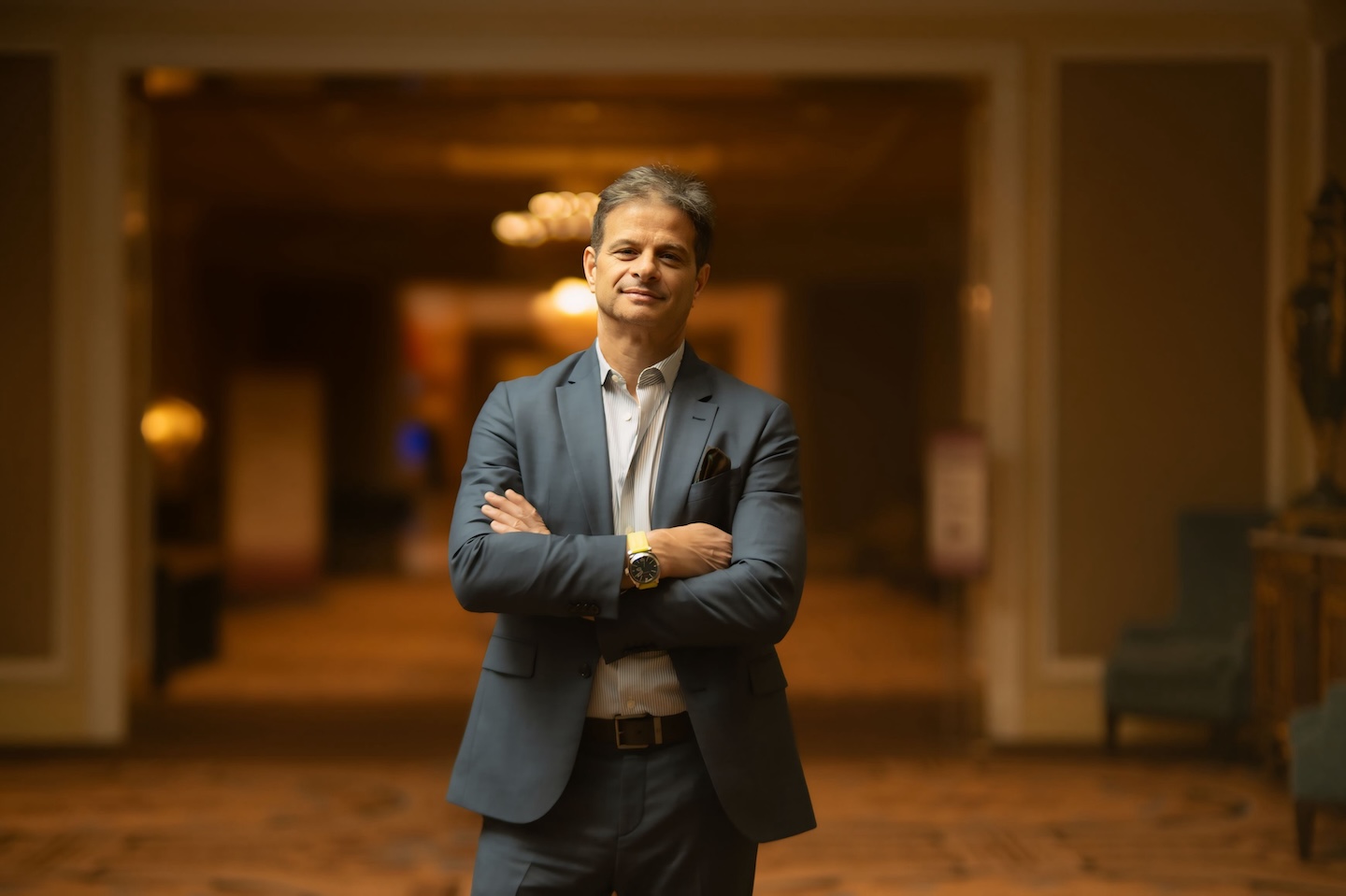
About the AuthorEnrico Guarino, M.D.
Dr. Enrico Guarino is a highly accomplished surgeon and educator with over 25 years of experience in general surgery, plastic surgery, and regenerative aesthetic medicine. As the founder of Guarino Academy and inventor of multiple patented techniques (Lypogold, Dynamite, Plasma Gel 3D), Dr. Guarino brings unparalleled knowledge and artistry to each treatment.